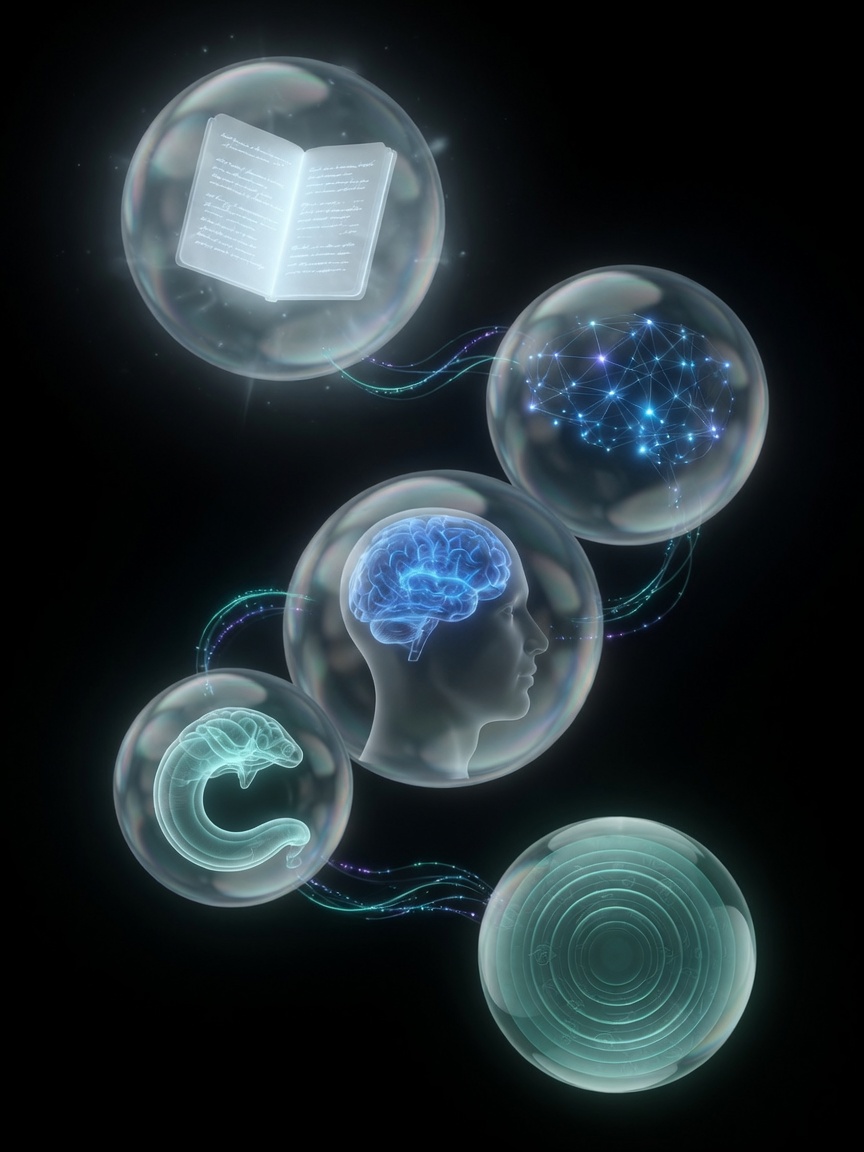
Clear in session, thin outside
Tools and values work land well in the room, then fade once life gets busy. That is often not resistance. It is hard to keep a new skill online when focus is thin.
For CBT, ACT & related clinicians | Paradigm Psychiatry

You know the pattern: clients leave with clear CBT and ACT tools, then struggle to use them outside the room. That is rarely a failure of skill or alliance. More often they cannot hold focus well enough to carry the work home.
Your sessions already train attention, planning, and memory. We use TMS to strengthen Attention so those skills are easier to remember and use between visits. You stay primary. We support focus and send clear updates back to you.
The pattern
Understanding in session is not the same as change at home. Using a new skill during the week takes focus and enough mental space to remember what you practiced together. When that falters, it is usually not a gap in your craft or the relationship.

Tools and values work land well in the room, then fade once life gets busy. That is often not resistance. It is hard to keep a new skill online when focus is thin.
Homework asks clients to keep steps and cues in mind while everything else competes for attention. When the week is crowded, the plan slips.
ADHD, anxiety, depression, and related presentations often share one limit: holding focus long enough to use what was learned when it matters.
You bring skill and care; the client brings insight and effort. Both feel worn when focus will not cooperate, no matter how solid the work was.
Written for referring clinicians - peer to peer. This page is about focus and follow-through, not a shortfall in your work or the relationship.
Interactive
That gap is often about sustained Attention: the ability to hold a skill long enough to learn it in session and call it up outside the room. This ~30-second exercise is a quick read of that ability - educational only, not a diagnosis. Press space (or tap) only when you see X. Ignore every other letter.
Feel free to try this with a client in session for a real-time snapshot.
Educational only — not a medical diagnosis or clinical CPT substitute. Results reflect this moment (sleep, stress, and environment all matter). No email required to start — after the run you’ll see a qualitative read; email unlocks the full report on this page.
Get ready…
Checkpoint
Sustain?
Strong hit rate. Hold to 60s, or bank the 30s run.
S sustain · F finish
You can respond until the next letter appears — space or tap only for X
Your run · qualitative read
—
Unlock your complete attention profile
Hit rates, reaction time, variability, omissions, commissions, and a short curated summary — unlocked on this page. Educational only, not a diagnosis.
Please enter a valid email to unlock your full report.
Full report
Targets you caught
% of X trials detected
Missed targets
False alarms
Avg. response speed
Std. dev. of hits
Hits + correct holds
Time-on-task
If this is the bottleneck you see when clients understand strategies in session but cannot use them outside the room, a short peer conversation is the next step.
Not a diagnosis — a snapshot of Attention in this moment (sleep, stress, and setting all matter). Educational only for clinician collaboration context.
Mechanism; TMS: Transcranial Magnetic Stimulation
TMS stimulation
Loading video…
Transcranial Magnetic Stimulation strengthens Attention and helps regulate the nervous system to support Brain Fitness - so the work you already do in session is easier to carry into the week.
CBT and ACT are not only conversation. Every reappraisal, behavioral experiment, values exercise, and homework plan is practice that depends on attention, planning, and memory. When focus is thin, insight stays in the room and does not travel into the week. We strengthen Attention with TMS so the skills you teach are easier to keep and use. You stay primary.
How session work becomes usable skill
Your CBT / ACT work starts the learning
Inside the relationship you’ve built, reappraisal, behavioral experiments, values work, and homework are how clients practice new ways of thinking and acting. That is real clinical work - not “just talk.”
Sustained Attention
Clients need enough focus to hold a skill in mind, practice it, and find it again when stressed. When attention will not hold, even excellent technique still leaves the week looking the same.
Planning and follow-through
Setting a goal, starting practice, and choosing the right skill when life is hard all take front-of-brain control. Your methods call on that. The week shows whether it is available.
Memory for what was practiced
Using a strategy later is as much about memory as motivation. Session content has to settle into usable memory so the tool is there when life asks for it.
TMS supports focus · you remain primary
Targeted magnetic pulses support the attention and planning systems your work already depends on. TMS does not teach CBT or ACT and does not replace the relationship - you keep the therapy; we support focus and report back.
What your work already does
Reappraisal, defusion, values, exposure, and behavioral experiments are how clients learn new ways to respond. That is your craft - real practice, not just insight talk.
What TMS adds
By supporting sustained Attention and planning, TMS makes it more likely that what you teach can stick and show up between sessions - without competing with your modality or taking the relationship.
Same therapist. Same relationship. Same CBT/ACT methods. Better focus underneath - so more of your work shows up in the week.

When focus is thin
You teach well; the week still wins. What was clear in session does not turn into usable practice - even when the relationship is strong.

With stronger Attention
TMS does not do the therapy. It supports the attention and planning clients need so the skills you already teach can be remembered and used in real life.
You remain the primary therapeutic relationship. Your work teaches the skills and holds the alliance. TMS supports the focus and follow-through clients need so lessons from your sessions are easier to use in daily life. We keep you informed with structured updates. We do not rewrite your frame or compete with your modality.
Coordination
Built so the relationship stays yours. Clear handoffs. We support Attention in the background - you keep the therapy and the work that make change stick.
A short peer talk about the stuck pattern: good understanding in session, weak use at home, focus or planning limits in the picture - and what better follow-through would look like from your chair. You set the direction for care.
We screen for candidacy and safety. If TMS is not a fit - or if other care should come first - we say so and protect your plan and the relationship you’re holding.
In-person sessions under physician oversight. You remain therapist of record. We support Attention; you continue the therapy - the relationship never leaves your room.
Mid-course and at completion: attendance, tolerability, and practical observations written for you - so you re-enter with a clearer sense of focus and how to use the gains in your ongoing work.
Primary for this pathway - therapy support: strengthen Attention so skills from your CBT/ACT work are easier to keep and use. Best when insight is solid and application is the bottleneck.
Same TMS course when chronic stress physiology, sleep disruption, polypharmacy, or inflammatory load are prominent. Framing shifts; you still stay primary, and the alliance still stays yours.
Evidence & credentials
Physician
ABPN-certified psychiatrist with 5+ years of clinical TMS experience, published work on sustained Attention, and a systems-neuroscience background.
For therapy-support cases: we strengthen Attention so the skills from your sessions are easier to use - you stay primary for CBT/ACT and related work.
Studies of rTMS paired with psychological work - including CBT and process-based approaches - often show added benefit when both are used thoughtfully. Individual results vary; candidacy requires evaluation; this is collaborative support, not a guaranteed outcome.
Pair that with what you already do: you teach the skills; we support Attention so those skills have a better chance of sticking. Fit is decided peer to peer, case by case - with you remaining primary.
Peer experience
Referring clinicians from A Place of Mind (Southfield) sat for educational TMS as peers - fully awake, no sedation - so they can speak to focus and calm from experience, not only from a handout.
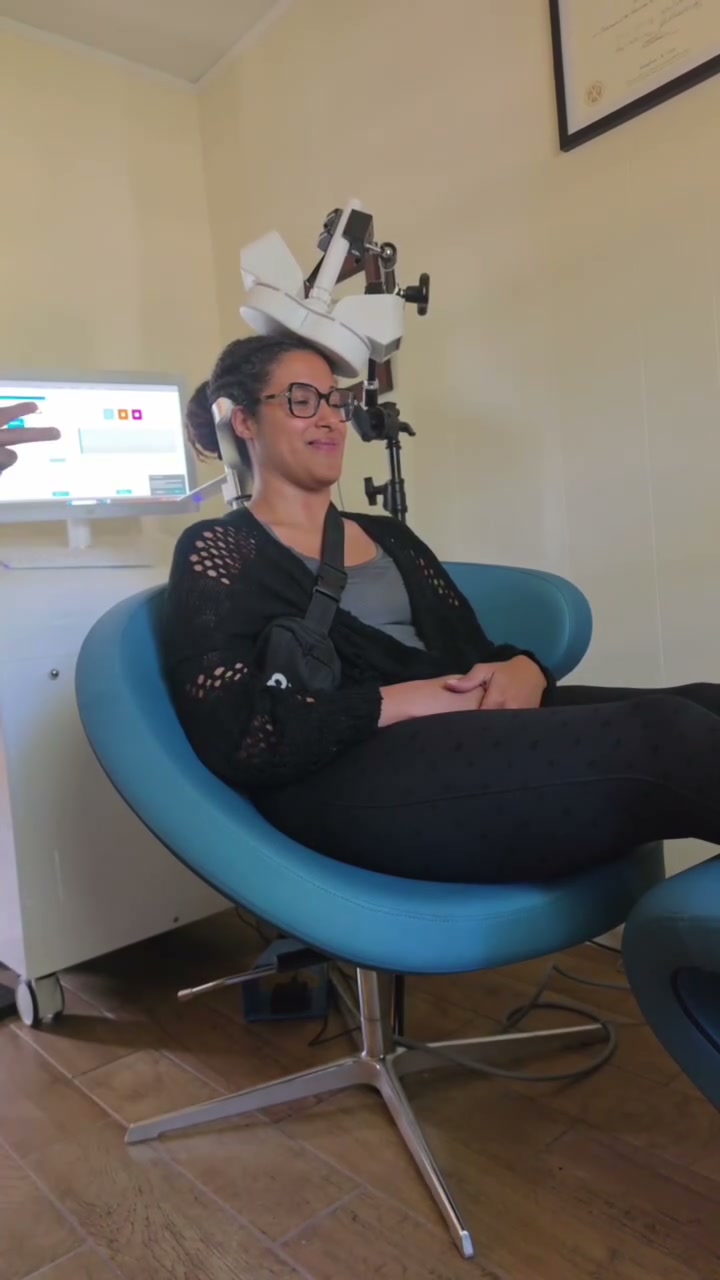
“Real-time nervous system regulation - felt during the treatment, not weeks later. Fully awake and engaged the entire session.”
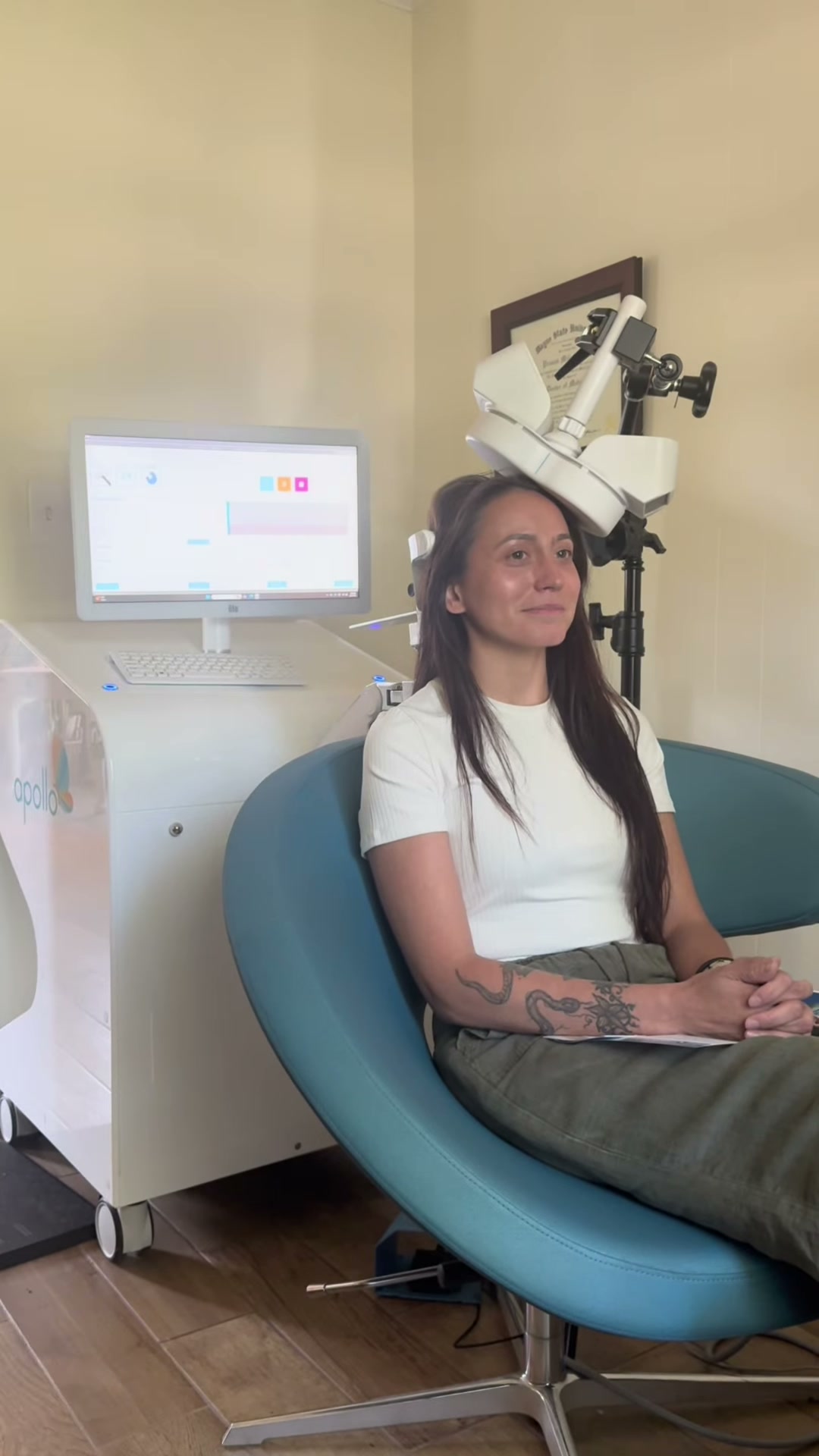
“Clearer focus. Less midday fatigue. A body that felt more like itself - hours later, not as a vague promise for someday.”
Local clinicians who sat as peers, not as patients in a pitch. Use their read on focus and session experience when you are weighing whether this kind of support under your CBT or ACT work is a fit for a referred client.
Fit
A short filter so we protect your time - and keep TMS under your work and the relationship, never instead of them. Oakland County / Detroit metro partners welcome.
Good fit
Not a fit
Resources
Short clinician brief: how focus support sits under CBT/ACT work, coordination flow, fit criteria, contact. Available on request - email or peer consult.
Parallel pathway for EMDR/trauma-focused clinicians: therapy-support. Same rule - you stay primary; we support Attention in the background. Use the form below for a peer note.
Next step
A short consult on a specific pattern: whether focus support under your CBT/ACT work makes sense - and how we keep you primary while we help with Attention.
Paradigm Psychiatry