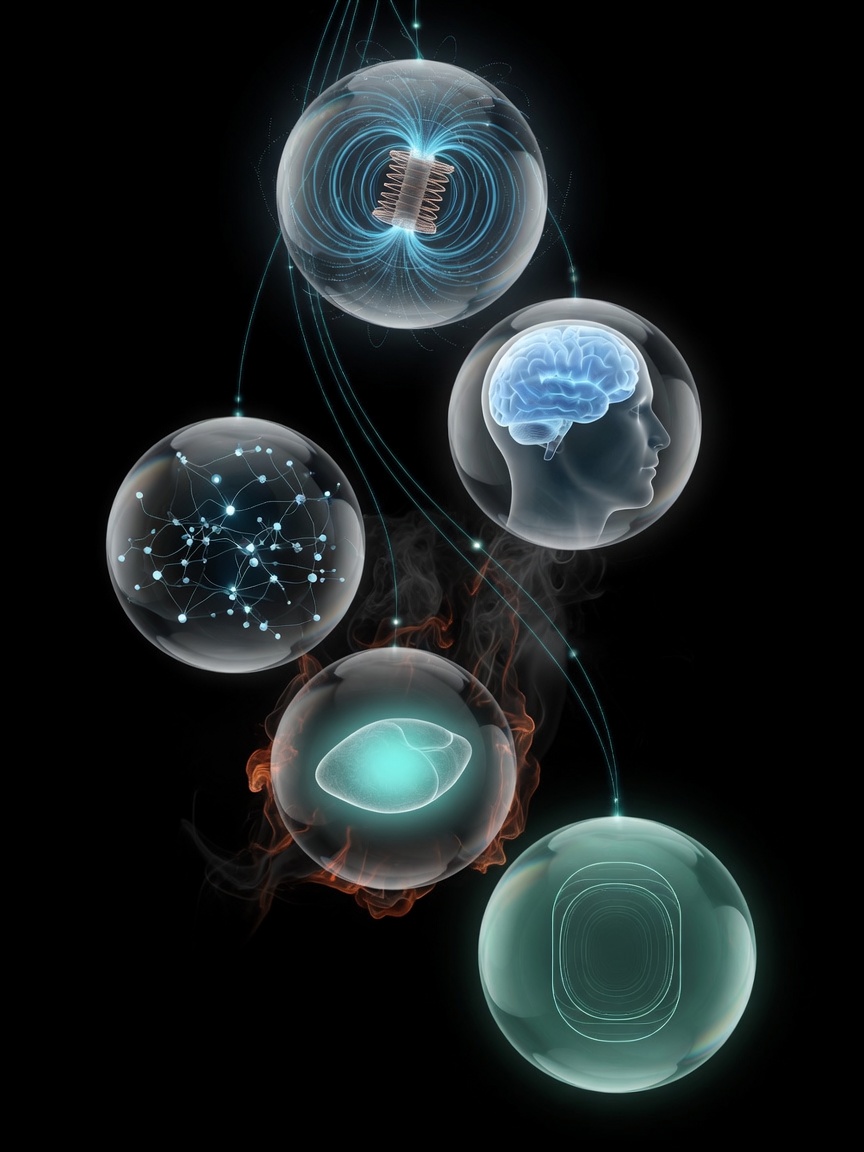
Process, then stall
A stretch of productive work, then the same block returns. Not resistance as character — load the system can’t metabolize yet.
For EMDR & trauma-focused therapists | Paradigm Psychiatry

You know the pattern: processing starts, then hyperarousal, flooding, or shutdown pulls the work off the rails. Not a failure of skill or alliance — a substrate that won’t hold the load of the hard work you’re already doing.
Your prompts engage the client — and that engagement recruits the circuitry that down-regulates hyperarousal. We amplify Attention with TMS so those circuits can hold: more room for dual focus, titration, and processing to land — and for the therapeutic alliance you’ve built to do its job. You stay primary. We strengthen the substrate and return the client with structured updates.
The pattern
Trauma-focused work depends on a nervous system that can stay inside a workable window. When that window collapses, years of training and a hard-earned alliance meet a physiological ceiling — not a gap in your craft.

A stretch of productive work, then the same block returns. Not resistance as character — load the system can’t metabolize yet.
Activation escalates faster than dual attention or titration can track. Sessions spend more time re-regulating than processing.
Dissociation, freeze, or blanking that interrupts continuity — even when preparation and stabilization were thorough.
The therapist holds skill and care; the client holds effort and hope. Both feel the friction when the substrate won’t cooperate.
Written for referring therapists — peer to peer. This page names the substrate, not a shortfall in your work or the alliance.
Mechanism; TMS: Transcranial Magnetic Stimulation
TMS stimulation
Loading video…
Transcranial Magnetic Stimulation amplifies Attention and regulates the Nervous System to promote Brain Fitness — so the work you already do has more substrate to land on.
Trauma-focused work already asks the client to engage — dual focus, titration, appraisal, reprocessing. That engagement, held inside the alliance you’ve built, recruits the prefrontal and cortical–limbic networks that down-regulate hyperarousal. When the substrate is overloaded, those networks can’t stay online — and even excellent technique spends the hour re-regulating instead of advancing the work. We amplify Attention with TMS so executive control and dual focus have capacity again: the hard work you’re doing becomes more efficacious because the alliance and the protocol have a quieter system underneath them.
Cortical–limbic pathway · Attention amplified under the work you already run
Your prompts engage
Inside the alliance you’ve built, dual attention, titration, and reprocessing ask the client to stay with material — recruiting the networks that appraise threat and regulate arousal. That is your hard work in motion.
TMS amplifies Attention
Focused pulses at DLPFC-informed targets strengthen sustained Attention and executive control — the cognitive substrate your protocol and alliance depend on between sets and between sessions.
Cortical–limbic networks stay online
Top-down control meets bottom-up fear signaling with more bandwidth — so the chain your protocol already uses is less likely to drop offline mid-set, and less of the hour is lost to re-regulation alone.
Amygdala threat reactivity quiets
A quieter fear-circuit baseline for the dual focus and titration you already run — threat load less likely to overwhelm the room before your skill can land.
Your work — and the alliance — land better
Wider window of tolerance means more of what you already do becomes efficacious: prompts recruit the circuitry that down-regulates hyperarousal, continuity holds, and the relationship you’ve built carries more of the change.
Top-down · Attention you already use
Dual focus, affect tracking, present-orientation — faculties your protocol and alliance already depend on. We amplify Attention with TMS so those moves have more substrate — and more of your hard work converts into session progress.
Bottom-up · what quiets underneath
When prefrontal networks hold, limbic threat reactivity has a quieter baseline — less flood or freeze seizing the hour, more room for the therapeutic relationship to stay continuous instead of constantly repairing after overwhelm.
Same therapist. Same alliance. Same protocol. Attention amplified underneath — so more of the hard work lands.

Threat circuit loud
Your prompts engage; the load outruns the window. Flooding, freeze, or blanking can interrupt continuity even when the protocol is solid and the alliance is strong — efficacy stalls because the substrate won’t hold.

Attention amplified
TMS does not do the trauma work and does not replace the alliance. It amplifies Attention so your prompts can engage the client — and the circuitry that down-regulates hyperarousal — long enough for protocol and relationship to do what they’re built to do.
You are the primary instrument — and the alliance stays yours. Trauma processing stays with you. Your questions, dual attention, and titration are what engage the client and recruit the networks that quiet threat. We amplify Attention with TMS under that work so more of your effort becomes efficacious — not so we substitute for it. We run a defined course, keep you in the loop, and send the client back with an outcome note.
Coordination
Built so the alliance stays yours. Clear handoffs. We amplify Attention underneath — you keep the relationship and the work that make change stick.
Peer consult on the stuck pattern, stabilization, concurrent care, and what “more of your hard work landing” would look like from your chair. You set the north star for the alliance and the plan of care.
We screen for candidacy and safety. If TMS isn’t the right amplifier for this case — or if more stabilization comes first — we say so and protect your plan of care and the relationship you’re holding.
In-person sessions under physician oversight. You remain therapist of record. We amplify Attention; you continue the processing relationship — the alliance never leaves your room.
Mid-course and at completion: attendance, tolerability, and observations written for the referring therapist — so you re-enter with a clearer read on the substrate and more of your skill can convert into progress.
Primary for this pathway — therapy support: amplify Attention so dual focus, processing, and the alliance can hold. Best when plateaus or hyperarousal keep excellent work from landing.

Same TMS course when chronic stress physiology, sleep disruption, polypharmacy, or inflammatory load are prominent. Framing shifts; you still stay primary, and the alliance still stays yours.
Evidence & credentials
Physician
ABPN-certified psychiatrist with 5+ years of clinical TMS experience, published work on sustained Attention, and a systems-neuroscience background.
Therapy-support cases: we amplify Attention so the hard work and alliance you already carry have more substrate — you stay primary for trauma processing.
Personalized and DLPFC-informed TMS can quiet amygdala threat reactivity through cortical–limbic networks — the fear circuit your clients bring into the room, and the window your protocol and alliance need open for efficacy to compound.
Pair that with what you already do: your prompts engage; engagement recruits the networks that down-regulate hyperarousal; we amplify Attention so those networks have capacity. More of your skill converts into progress. Fit is decided peer to peer, case by case — with you remaining primary.
Peer experience
Counselors from A Place of Mind (Southfield) experienced the chair as peers — fully awake, no sedation — so they could speak to the substrate from the inside, not only from a brochure.
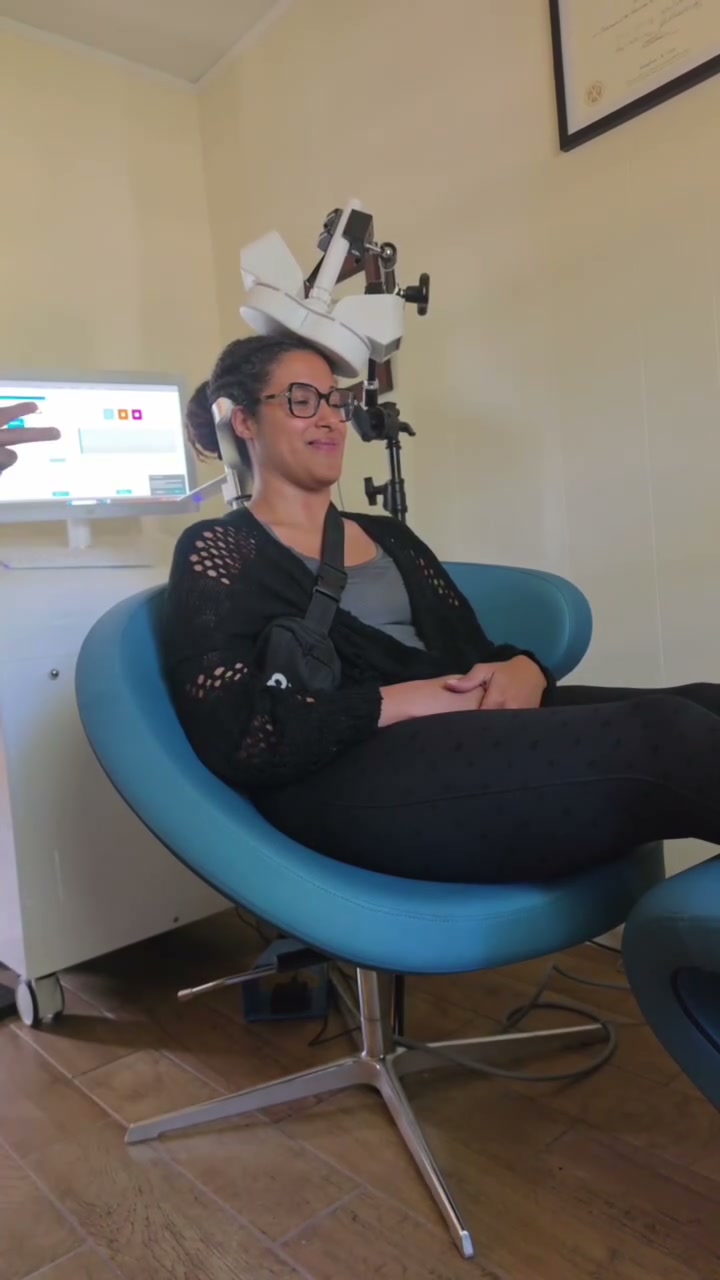
“Real-time nervous system regulation — felt during the treatment, not weeks later. Fully awake and engaged the entire session.”
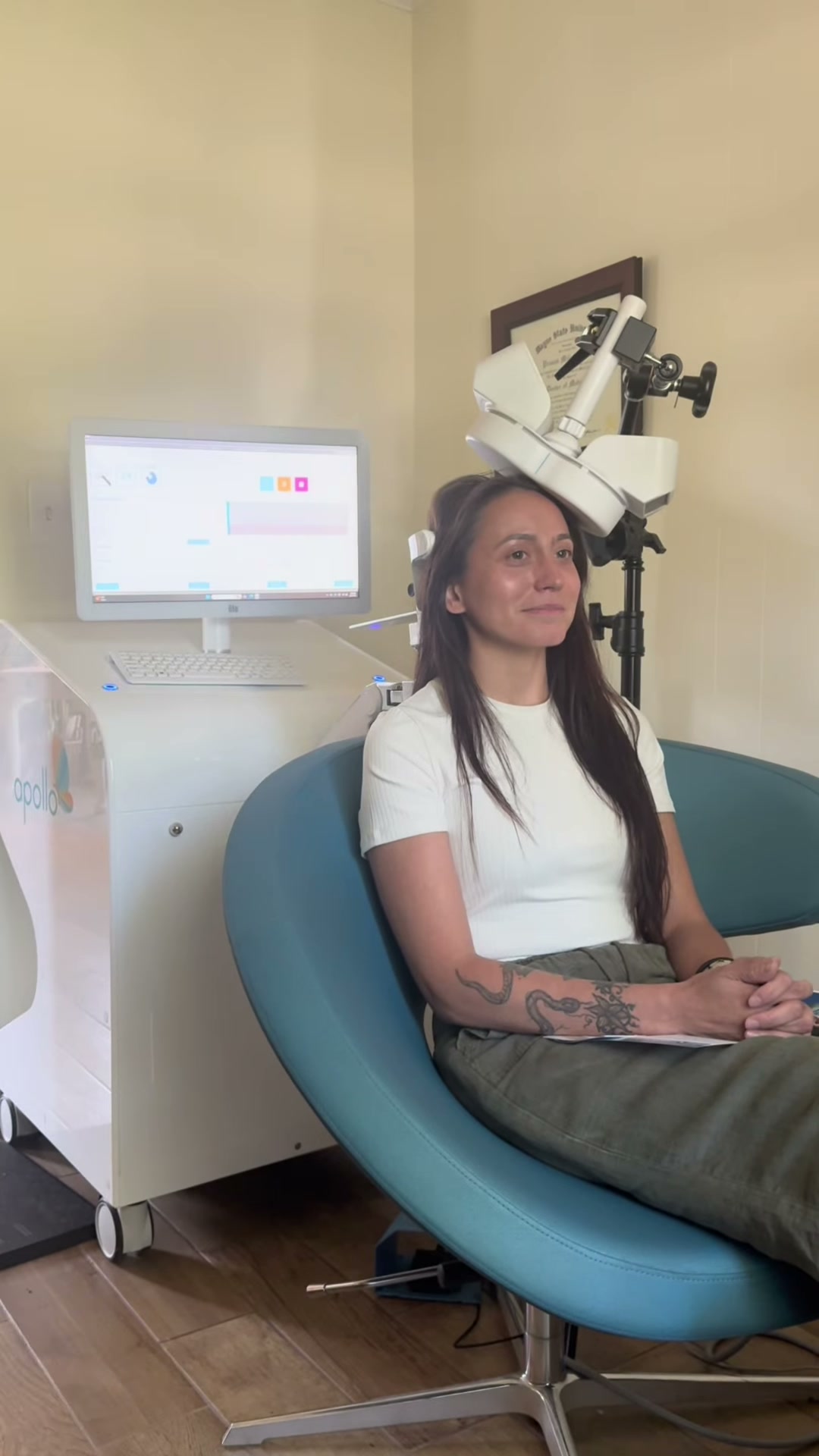
“Clearer focus. Less midday fatigue. A body that felt more like itself — hours later, not as a vague promise for someday.”
Peer reflections from therapists who sat in the chair — so the amplifier is something you’ve felt, not only a phrase you refer against.
Fit
A short filter so we protect your time — and keep TMS under your hard work and alliance, never instead of them.
Good fit
Not a fit
Resources
One page: mechanism sketch, coordination flow, fit criteria, contact. Available on request — email or peer consult.
Select the therapy-support path on intake — you stay primary and keep the alliance; we amplify Attention underneath. Use the form below for a peer note.
Next step
A short consult on a specific case: whether amplifying Attention under your protocol and alliance makes sense — so more of your hard work can land — and how we keep you primary while the substrate is strengthened.
Paradigm Psychiatry